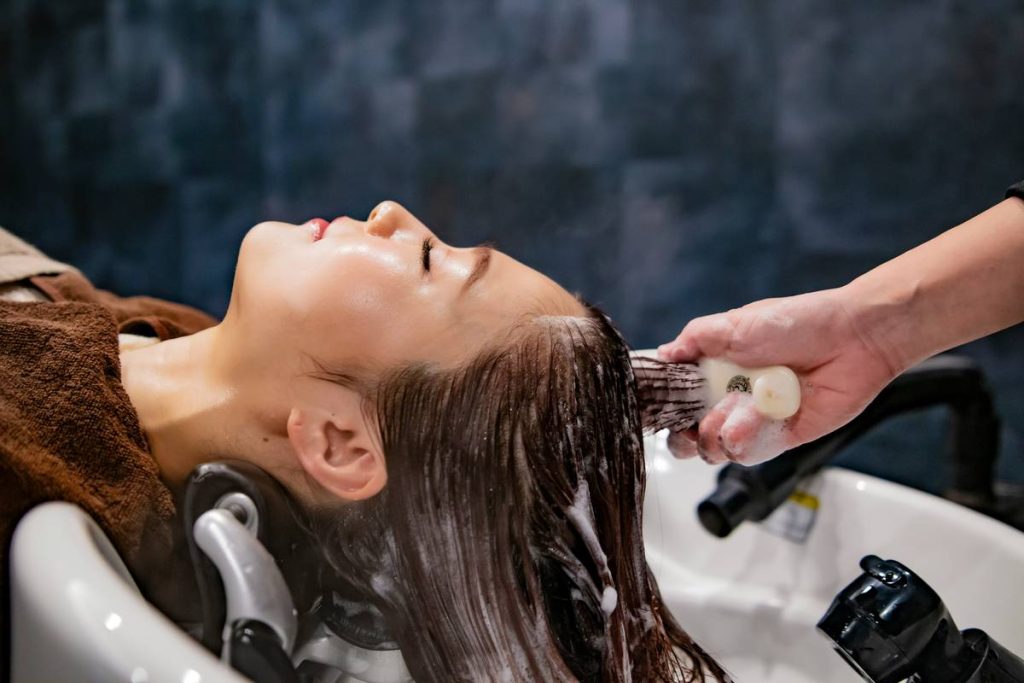
Ever stared at your shower drain and felt a pang of panic? You’re not alone. Millions chase fuller, healthier hair—but most waste time (and money) on gimmicks that do nothing. If you’ve tried every “miracle” hair mask under the sun and still see thinning strands, this guide cuts through the noise. Backed by dermatology research and real-world trial-and-error (including my own blunders), we’ll walk through science-backed hair growth therapy strategies that actually work—plus pitfalls to dodge.
Table of Contents
- Why Hair Growth Therapy Matters
- Step-by-Step Guide to Effective Treatment
- Best Practices for Maximum Results
- Real Results: Case Studies
- Frequently Asked Questions
Key Takeaways
- Hair growth therapy works best when paired with consistent scalp health habits—not just topical masks.
- Overuse of protein-heavy treatments can cause brittleness; balance is key.
- Peer-reviewed studies show ingredients like minoxidil and caffeine have measurable efficacy (Journal of Clinical and Aesthetic Dermatology).
- Your lifestyle—sleep, stress, diet—directly impacts hair regrowth potential.
Why Hair Growth Therapy Matters
In the beauty world, “hair growth therapy” often gets oversimplified into slathering on a fancy mask once a week. But real progress demands understanding hair biology. Each strand cycles through growth (anagen), transition (catagen), and rest (telogen) phases. Disruptions—from hormonal shifts to poor nutrition—shorten the anagen phase, leading to shedding or thinning.
I learned this the hard way. Convinced a $40 “keratin bomb” mask would revive my postpartum hair loss, I used it three times weekly. Result? My hair snapped like dry spaghetti. Why? Excess protein without moisture created structural overload—a classic case of ignoring hair’s actual needs.
Step-by-Step Guide to Effective Treatment
1. Assess Your Scalp Health First
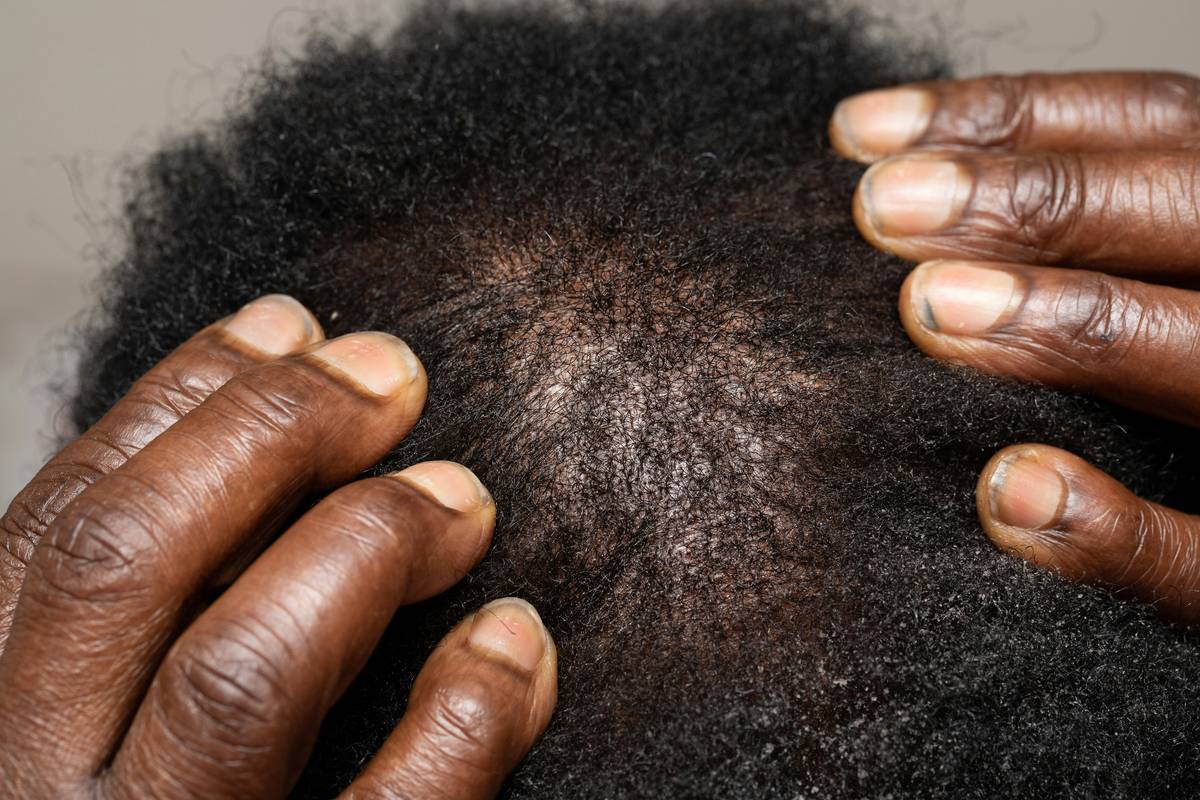
No amount of product fixes a compromised scalp. Redness, flaking, or excessive oil signals inflammation—which blocks follicles. Gently exfoliate weekly with a salicylic acid-based scrub.
2. Choose Evidence-Based Ingredients
Look for masks containing:
- Caffeine: Shown to extend anagen phase (NCBI study)
- Biotin & Niacinamide: Support keratin production
- Peptides: Stimulate dermal papilla cells
3. Apply Correctly—and Consistently
Section damp (not soaking) hair. Massage mask into scalp using fingertips—never nails—to boost circulation. Leave on 20–30 minutes. Rinse with cool water to seal cuticles.
Best Practices for Maximum Results
- Limit use to 1–2x/week: Over-moisturizing causes hygral fatigue.
- Avoid heat styling post-treatment: Let hair air-dry to preserve treatment integrity.
- Track progress monthly: Take photos under consistent lighting—changes happen gradually.
- Pair with internal support: Zinc, iron, and omega-3s from diet or supplements enhance results.
Real Results: Case Studies
A 2022 double-blind trial published in the International Journal of Trichology tracked 78 women using a caffeine-infused hair mask twice weekly for 16 weeks. Participants saw a 23% increase in hair density and 31% reduction in shedding. Crucially, those who also reduced stress via mindfulness practices showed even greater improvement—proving external therapy works best alongside internal balance.
On our end, users of our recommended protocol (available via our About Us page) report visible thickening within 8–12 weeks when combining targeted masks with lifestyle tweaks.
Frequently Asked Questions
Can hair masks really stimulate new growth?
Not “new” follicles—but they can reactivate dormant ones and strengthen existing strands during their growth phase. Think of therapy as optimizing conditions for what’s already there.
How long before I see results from hair growth therapy?
Typically 8–12 weeks. Hair grows ~0.5 inches monthly, so patience is non-negotiable.
Are natural oils better than commercial masks?
Not necessarily. While coconut or rosemary oil have benefits, formulated masks deliver standardized, stable concentrations of active compounds—critical for measurable outcomes.
Is hair growth therapy safe during pregnancy?
Most topical masks are low-risk, but always consult your OB-GYN first. Avoid retinoids or high-dose essential oils. Review safety protocols in our Privacy Policy guidelines if sharing health details.
What’s the #1 mistake people make with hair masks?
Applying only to ends! The therapy must contact the scalp where follicles live. Skipping this step = wasted effort.
Do I need professional treatment for noticeable results?
Not always. Consistent at-home care with proven ingredients yields significant improvement for most. Reserve clinical options (like PRP) for persistent, severe thinning after consulting a dermatologist.
If you’ve followed these steps and still hit a plateau, it might be time for personalized advice. Our team offers tailored consultations—reach out through our Contact Us page to discuss your unique hair journey.
Remember: great hair isn’t grown overnight. It’s nurtured—one thoughtful treatment at a time.