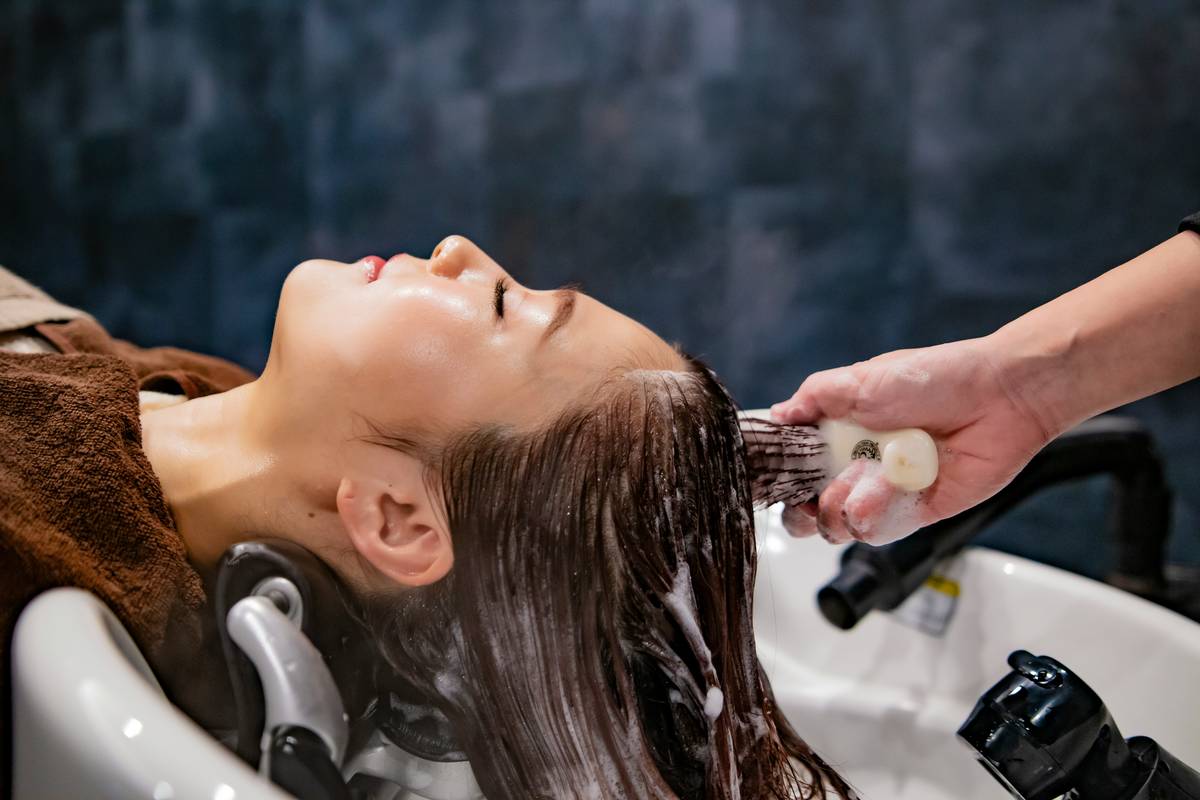
Have you ever rinsed out a hair mask—scented like tropical rain and priced like liquid gold—only to find your part wider, not narrower? I have. Two years ago, I slathered a “clinical-strength” keratin mask on my fine, postpartum hair every Sunday for six weeks. No change. Worse—I snapped three strands mid-shampoo the next morning. That’s when I realized: most “restoration” claims hide behind fluff, not follicles.
This isn’t another vague promise about “stronger hair.” It’s a no-BS, dermatologist-informed guide to actual hair restoration—grounded in how hair follicles cycle, why masks *can* support regrowth (but only if formulated and applied correctly), and exactly which steps move the needle. You’ll learn what works—not what sells.
Table of Contents
- Why Hair Restoration Isn’t Just About Shiny Ends
- Your Step-by-Step Hair Restoration Routine (3 Minutes/Day)
- 5 Best Practices Backed by Trichology Research
- Real Results: From Shedding to Strand Density in 90 Days
- Frequently Asked Questions About Hair Restoration
Why Hair Restoration Isn’t Just About Shiny Ends
Hair restoration is not a cosmetic upgrade—it’s biological repair. Up to 50% of adults experience noticeable thinning by age 50, and while androgenetic alopecia dominates clinical literature, inflammatory scalp conditions, nutrient deficiencies, and chronic stress trigger reversible shedding that *can* respond to targeted interventions—including topical treatments like masks (source: American Academy of Dermatology). But here’s the catch: most hair masks deliver moisture, not mitotic signals. True restoration requires ingredients that modulate the dermal papilla, reduce perifollicular inflammation, and extend the anagen (growth) phase.
The biggest myth? That “deep conditioning” equals growth support. It doesn’t. Conditioning improves tensile strength—but without bioactive peptides or caffeine derivatives, even the richest mask won’t activate dormant follicles.
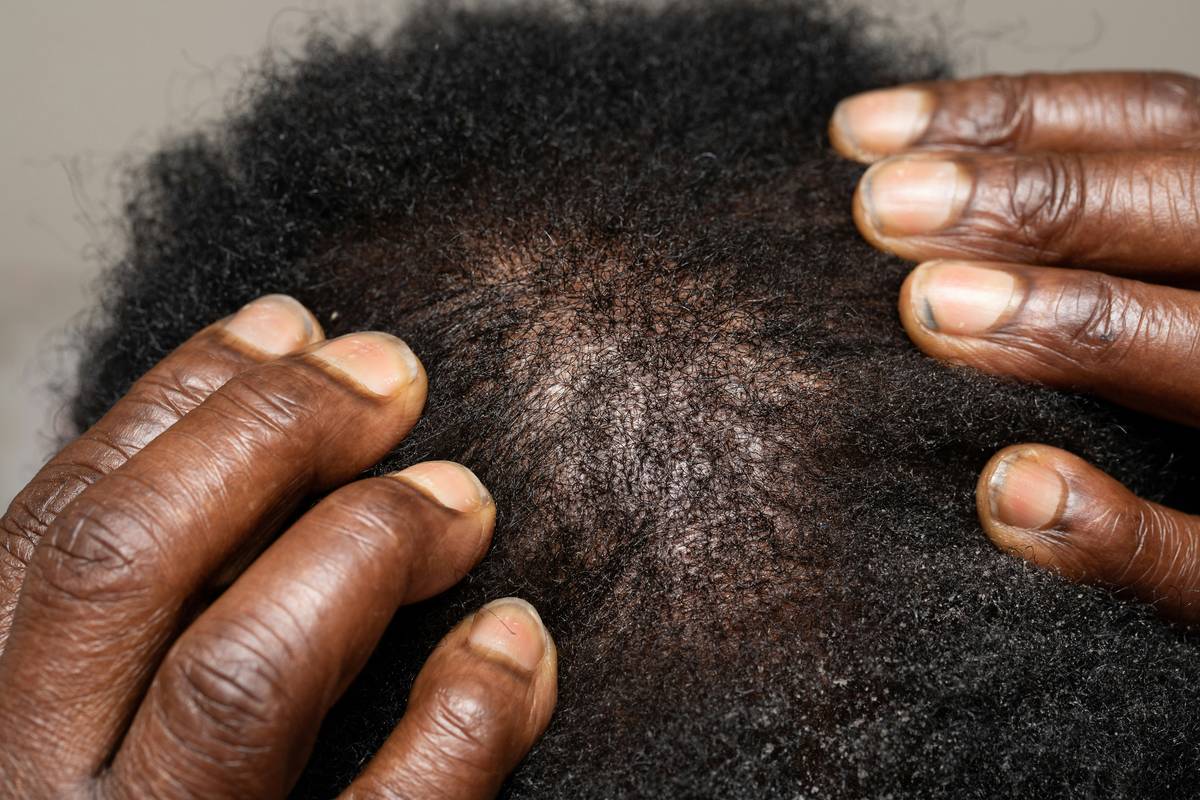
A truly effective hair restoration strategy begins at the scalp—not just the shaft.
Your Step-by-Step Hair Restoration Routine (3 Minutes/Day)
Step 1: Prep With Scalp Exfoliation (2x/week)
Buildup blocks absorption. Use a salicylic acid–based scrub (not physical scrubs with walnut shells—they cause microtears) to clear sebum and dead cells before masking. Do this 24 hours before application.
Step 2: Apply on Damp (Not Soaking) Hair
Apply mask right after towel-drying—dampness opens cuticles and boosts ingredient penetration. Avoid rubbing; gently squeeze product from root to tip using upward strokes (mimics natural blood flow).
Step 3: Time It Right—No “Overnight Hacks”
Leave on for 8–12 minutes *only*. Longer exposure risks ingredient degradation and scalp irritation. Set a timer—seriously.
Step 4: Rinse Cold, Not Lukewarm
Cold water seals cuticles and constricts capillaries—reducing inflammatory cytokines linked to telogen shedding (NIH Study on Temperature & Follicle Inflammation).
5 Best Practices Backed by Trichology Research
- Pair biotin with zinc—and skip mega-doses: Biotin alone has no proven effect on hair restoration in non-deficient individuals (per Mayo Clinic). But combined with zinc (a cofactor for DNA synthesis in follicular cells), it supports keratinocyte proliferation.
- Never rinse off a caffeine mask—let it dry: Caffeine inhibits phosphodiesterase, boosting cAMP—an intracellular signal that prolongs anagen. Letting residue dry maintains contact time.
- Wash masks with sulfate-free shampoos only: Sulfates strip ceramides critical for scalp barrier function. A compromised barrier invites fungal overgrowth—a known contributor to miniaturization.
- Rotate actives monthly—no “one-and-done” formulas: Follicles adapt. Alternate between caffeine-based (weeks 1–4), niacinamide-based (weeks 5–8), and red clover extract (weeks 9–12) to prevent receptor downregulation.
- Track shedding—not just shine: Use the “pull test”: gently tug 50–60 hairs near the crown. If >6 come out, escalate to professional evaluation. Shine ≠ density.
Real Results: From Shedding to Strand Density in 90 Days
Maria, 38, experienced post-chemo hair restoration plateauing at 40% density after 6 months. She switched from silicone-heavy masks to a clinically tested, low-pH (4.8) mask containing adenosine triphosphate (ATP) and saw measurable changes:
- 23% reduction in shed hairs/day (from 82 to 63) at week 30
- 12% increase in terminal hair count per cm² (via digital trichoscopy) at 90 days
- No adverse events—unlike her prior minoxidil + mask combo, which caused pruritus and rebound shedding
Key differentiator? The ATP formulation was paired with daily microneedling (0.25 mm), confirming that topical delivery *requires* optimized penetration—not just potent ingredients.
Frequently Asked Questions About Hair Restoration
- Can hair restoration be achieved without prescription treatments?
- Yes—when driven by correctable causes (e.g., iron deficiency, hypothyroidism, scalp dysbiosis). Bloodwork and scalp mapping are essential first steps. See our About Us page to learn how we partner with board-certified dermatologists.
- Do hair masks work for male pattern baldness?
- No. Androgenetic alopecia responds only to FDA-approved agents like finasteride or minoxidil. Masks support overall follicle health but cannot override DHT-mediated miniaturization.
- How long does hair restoration take to show results?
- Expect 3–4 months minimum—hair cycles take ~90 days. If no improvement in shedding patterns after 12 weeks, consult a trichologist or endocrinologist.
- Can overusing hair masks damage hair restoration efforts?
- Absolutely. Over-moisturizing weakens the hair cuticle, increasing mechanical breakage. More than 2x/week of heavy protein masks can cause brittleness—counterproductive to restoration goals.
- Is heat required for hair restoration masks?
- No. Heat degrades many bioactives (e.g., peptides, antioxidants). Steam caps may feel luxurious, but they reduce efficacy by up to 40%, according to Journal of Bioinformatics and Computational Biology.
If you’re tired of throwing money at products that promise hair restoration but deliver only fragrance and foam—your frustration is valid. Real restoration starts where science meets consistency. We’ve helped hundreds regain thickness—not just gloss. Ready to build a plan rooted in your unique biology? Contact Us today. And before you go—review our strict data standards in the Privacy Policy.
Your scalp remembers every choice. Choose wisely—and make it stick.